
Polytetra buyer guide
How to choose PTFE gaskets
Choose a PTFE gasket by matching the flange geometry, process chemical and concentration, operating temperature, pressure and available bolt load. Then confirm whether a solid PTFE gasket or a PTFE envelope construction fits the joint. Chemical resistance alone does not establish a safe pressure or temperature rating.
Start with the flange and drawing
Provide the flange standard or drawing, bore, outside diameter, bolt pattern, gasket thickness and required quantity. Raised-face and full-face joints need different geometries. Confirm the surface finish, alignment and flange condition before selecting the gasket.
Solid PTFE or envelope gasket?
Solid PTFE gaskets use PTFE through the section. Envelope gaskets use a PTFE outer envelope around an insert; insert properties and envelope construction affect compression and service suitability. Select the complete construction, not just the exposed polymer.
Check temperature, pressure and chemicals together
Virgin PTFE commonly has an approximate material service range of −200°C to +260°C, but this is not a gasket assembly rating. Elevated temperature, pressure cycling, flange stiffness and chemicals can narrow the usable range. Confirm the exact medium, concentration and excursions with the manufacturer.
Account for creep and bolt load
PTFE can creep under sustained compression. Thickness, confinement, filler and joint design influence sealing performance. Filled grades may improve creep resistance but can change chemical compatibility. Follow the approved bolt-loading and installation procedure for the joint.
Choose material and documentation
Specify virgin or filled PTFE and any required traceability, inspection or contact-compliance documents. Do not assume a filler has the same chemical resistance as virgin PTFE or that a general material claim certifies the finished gasket.
Send a complete quote request
Include the drawing, flange standard, quantity, preferred grade, medium and concentration, normal and maximum temperature, pressure or vacuum, thermal cycles and inspection needs. Final dimensions and suitability should be confirmed before ordering.
Related products & specifications
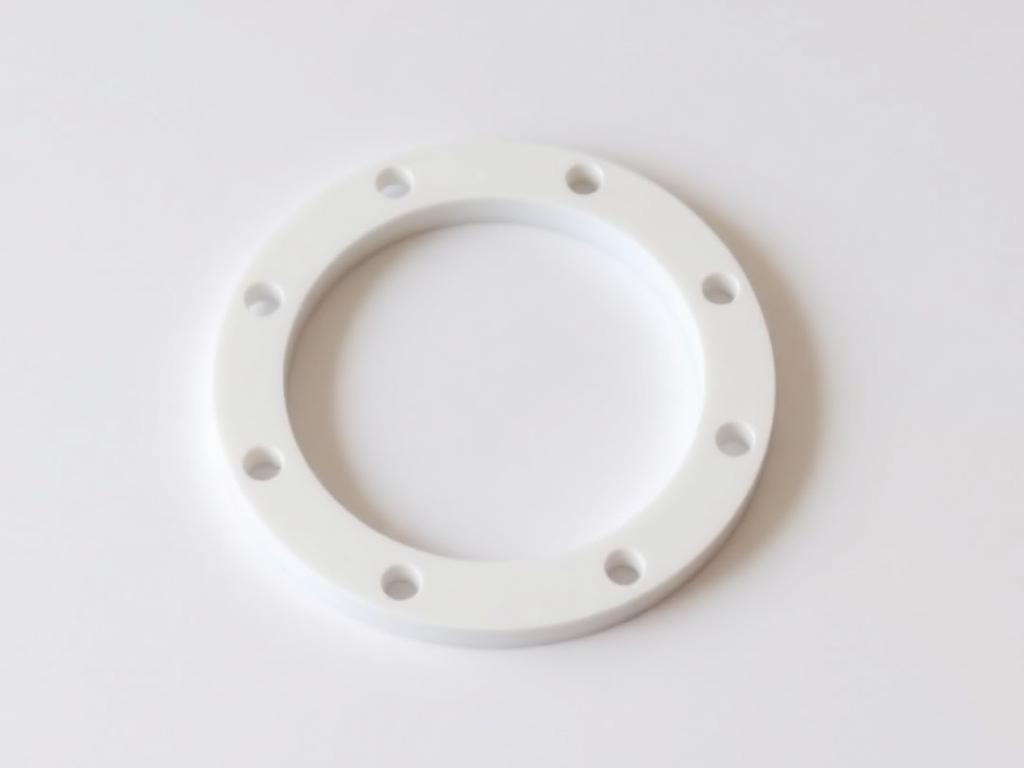
PTFE Teflon Gasket
ANSI B16.21 and DIN flange sizes; Class 150/300; custom thicknesses and profiles
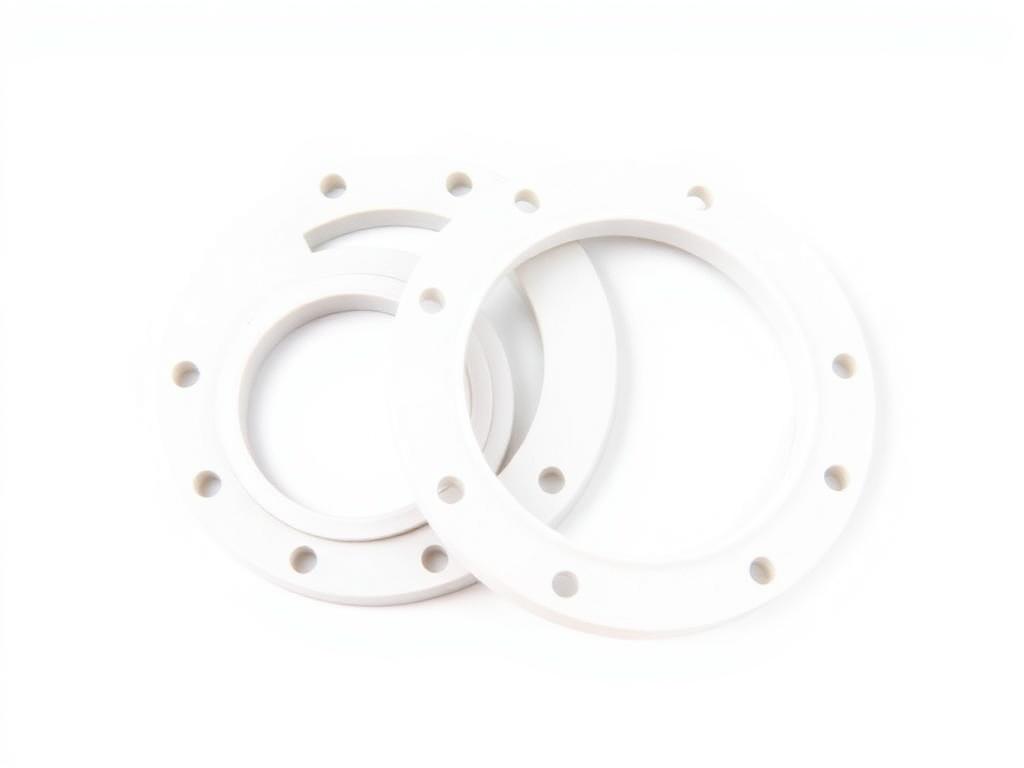

PTFE Teflon Sheets
12 × 12 in (300 × 300 mm), 24 × 24 in (600 × 600 mm) and 1000 × 1000 mm; 3–50 mm thick
Common buyer questions
Can a PTFE gasket be used for every chemical?
No universal suitability should be assumed. Confirm the chemical, concentration, temperature, pressure and any fillers or inserts for the complete gasket construction.
How thick should a PTFE gasket be?
Thickness depends on flange geometry, finish, bolt load and the approved joint design. Provide your drawing and service conditions; do not select thickness from the material name alone.
Is an envelope gasket the same as a solid PTFE gasket?
No. An envelope gasket has a PTFE outer envelope with an insert. A solid PTFE gasket is PTFE through the section. The insert and envelope geometry affect the assembly's performance.